







Muhammad Osama Sohail

I treat marketing like a product: instrumented, attributed, and built around how users actually behave.

I work between analytics engineering and go-to-market. In practice that makes me the person who notices the dashboard and the CRM disagree, and then goes looking for where the data leaked out.

View Case Studies ↓

About

I'm a product and growth person who cannot leave a number alone. When a metric looks good I want to know which query produced it, and when it looks bad I want exactly the same thing.

At Autonomous, a B2B AI agency, I own the marketing stack end to end. That has meant scoping server-side tracking to claw back attribution after iOS 14, and building AI content tooling that holds brand voice steady while output climbs. I like the parts of growth most people are glad to hand off, which is the tracking and the pipelines sitting underneath the content.

  • Autonomous B2B AI agency. Marketing stack, end to end.
  • Lean Outset Startup studio. Product ops, Agile delivery, UX research, journey mapping.
  • JS Bank Relationship banking, where I sat across from the customers.
  • KSBL MSc Business Analytics. Capstone below.

Banking is the part people skip past on my CV, and it is the part I lean on most. Sitting in front of customers all day shows you where they quietly give up, which is hard to see from a funnel chart.

Content

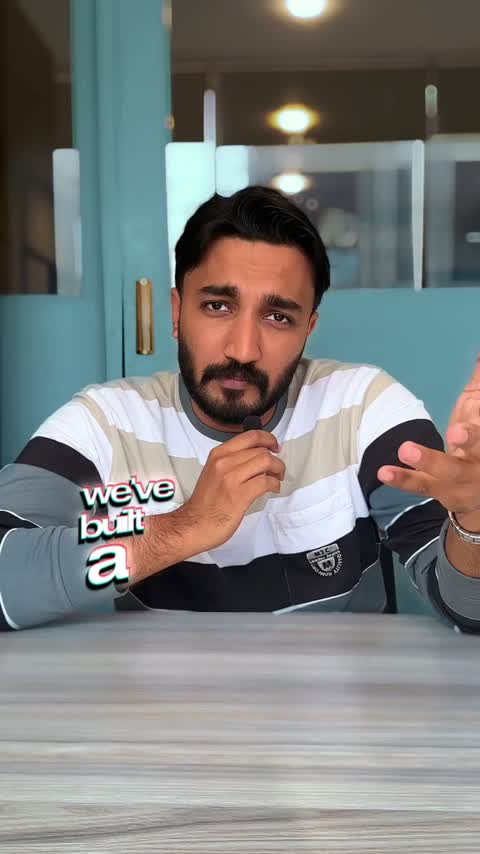
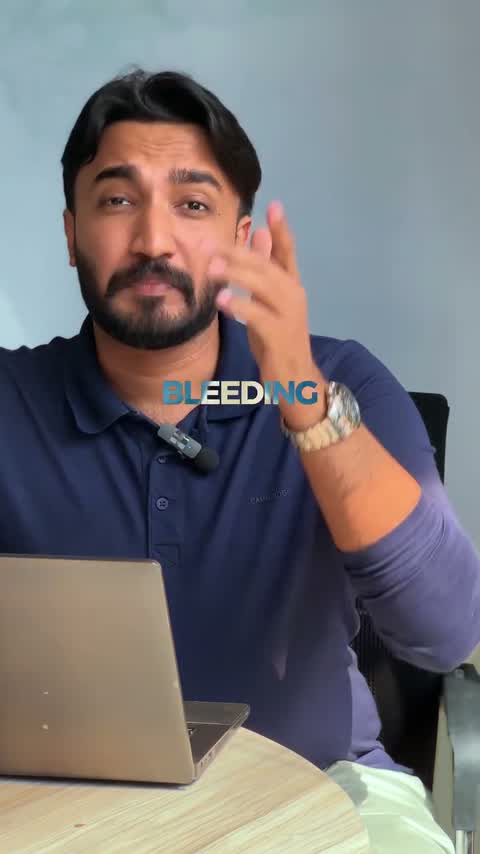
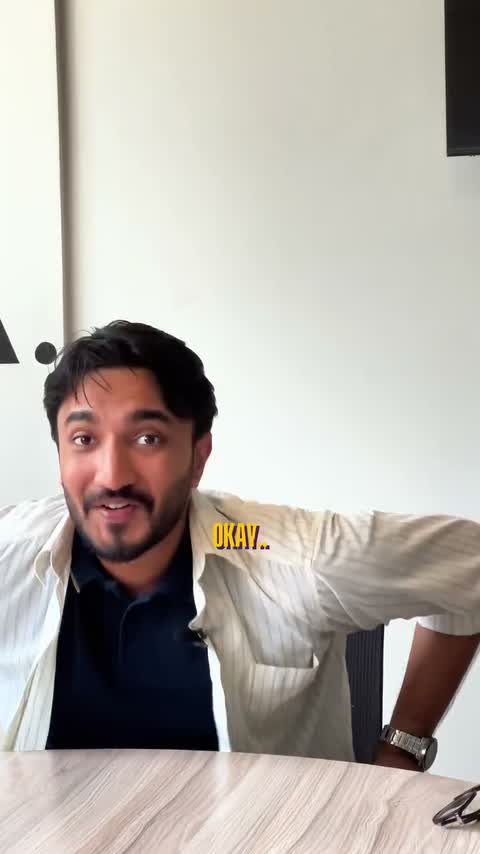
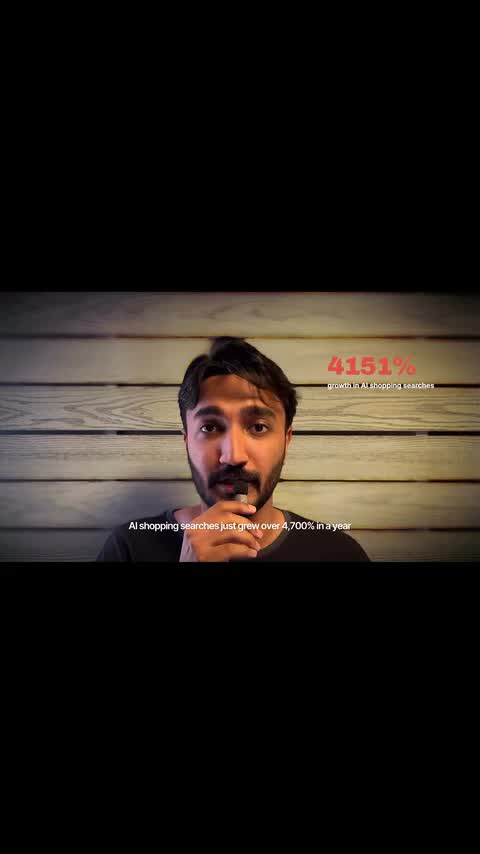
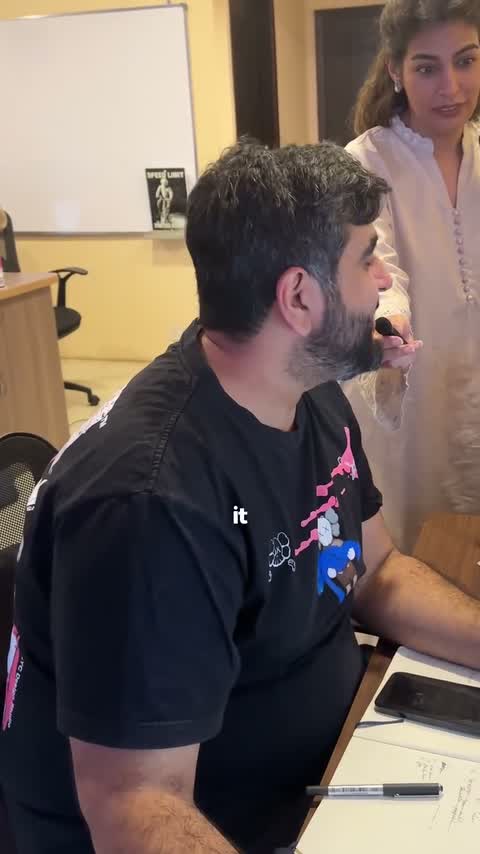
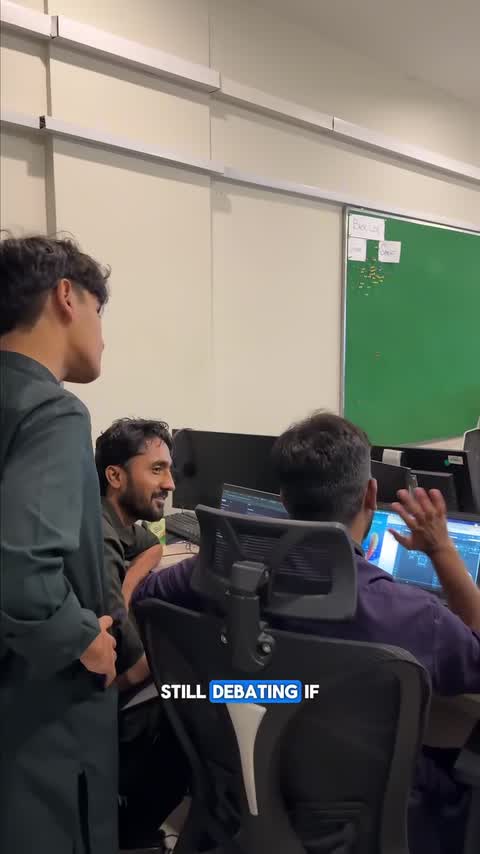
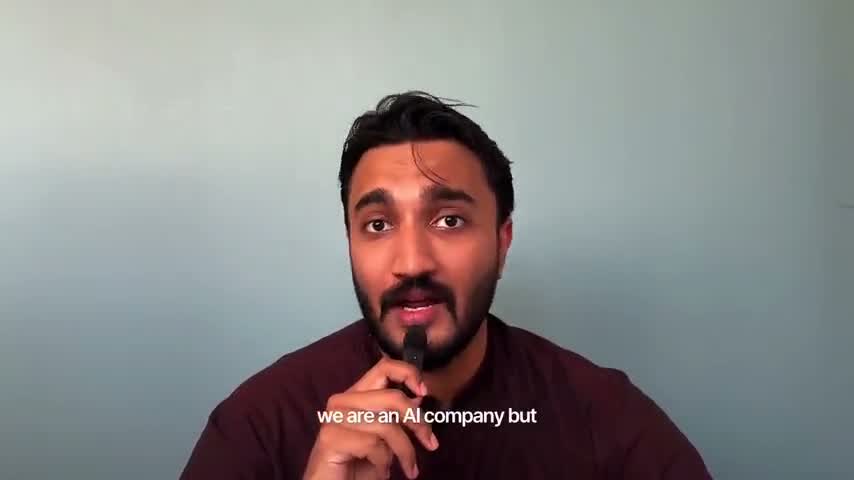
Short-form video for Autonomous, a B2B AI agency. I run it end to end: research, scripting, shooting, editing, and publishing. Most of it ships solo.

Previews start muted. Turn the sound on, or open any clip for the full video on Instagram.

On camera

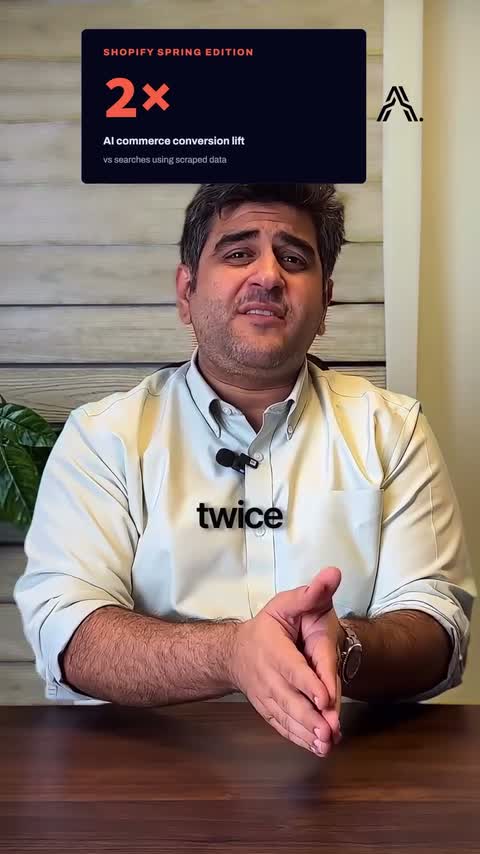
Produced, not on camera

I scripted, shot, and edited these. My colleagues front them.

On LinkedIn

Case Studies

Building Organic Presence From Zero

AutonomousProfessional work

First 90 days, from nothing

35K+LinkedIn impressions
1,100+LinkedIn visitors
400+New followers
14.5K+Instagram views
780+Instagram interactions

Impact

A standing start turned into a content engine one person can actually keep running.

Read the full case study: Building Organic Presence From Zero

My Role

Solo, from research through to publishing. Once I had felt every bottleneck by hand, I automated the production steps.

Problem

Autonomous had no organic presence in a crowded B2B AI market and no paid acquisition budget. Growth had to come entirely from owned content, with no team, no ad spend, and no existing audience to build on.

Process

I owned go-to-market content across LinkedIn and Instagram, solo. To keep that up long-term, I built a Python pipeline on FFmpeg, ElevenLabs, HeyGen, and WhisperX that automated voice, avatar rendering, captioning, and compositing, cutting manual video editing out of the process entirely.

Solution

The result was a repeatable content engine: one person producing consistent, on-brand video and image content at a cadence that would normally need a small team. Alongside it, I wrote an SEO automation script that found and resubmitted 70+ pages orphaned during a WordPress-to-Wagtail CMS migration, recovering lost search equity.

Learnings

Owning every step solo is what made the automation obvious: I only knew which parts to script because I'd felt every bottleneck by hand first. If I were scaling this again, I'd build the pipeline earlier instead of proving the manual version first.

Turning Customer Feedback Into Product Signals

KSBL MSBACapstone project

Classification accuracy 80%
0.35sInference latency
27Emotion categories
3Feedback sources

Impact

Accurate enough to point at a real product gap, and fast enough that the dashboard feels live.

Read the full case study: Turning Customer Feedback Into Product Signals

My Role

Solo build. I owned the architecture, model selection, the Reddit and review-site scrapers, the ONNX inference layer, and the Streamlit interface. This is my MSBA capstone.

Problem

B2B marketing agencies aggregate customer feedback by hand: copy-pasting G2 reviews, scanning Reddit threads, eyeballing competitor mentions. There's no scalable way to track share-of-voice or turn raw sentiment into decisions a product team can act on.

Process

I built a sentiment intelligence dashboard that ingests Reddit API data, G2 and Capterra reviews, and CSV uploads. Every architecture choice traded against a constraint: DistilBERT over BERT-base for roughly 5x faster inference at under 3% accuracy loss, because the dashboard had to feel real-time; GoEmotions 27-category classification over binary polarity, because in B2B feedback the difference between frustration and disappointment implies a different product action; Selenium for G2 and Capterra, since both render client-side and block simple scrapers.

Solution

The tool runs multi-model NLP classification to surface product gaps and generates LLM-drafted ad copy from the sentiment it finds. I moved inference to ONNX Runtime to drop PyTorch as a deploy dependency, and used Streamlit to iterate on the BI layer without pulling in a frontend engineer.

Learnings

The DistilBERT trade-off was right for a live dashboard, but the sub-3% accuracy gap is real. For a batch report where latency doesn't matter, I'd run the heavier model instead. The point was matching the tool to the constraint, not the benchmark.

Giving Leadership a Single View of DevOps Health

KSBL MSBACourse project

Cost of the flagged project against the average

Flagged project $10,623
Average project ~$3,000
Change failure rate 66.67%
113 minAverage recovery
5 to 7Deploys a week

Impact

On that evidence I recommended a feature freeze on the flagged project.

Read the full case study: Giving Leadership a Single View of DevOps Health

My Role

Solo. A graduate course project that required a real client, so I used the software agency I work at. I designed the schema, built the pipeline, and presented the findings.

Problem

A software agency kept incident data, deployment logs, and project financials in three disconnected systems. Leadership had no unified view of DevOps health or true cost-per-project, and was effectively flying blind on which projects were quietly bleeding budget.

Process

I designed an 8-collection Lakehouse schema on MongoDB Atlas and built a PySpark ETL pipeline on Databricks to join commits, deployments, incidents, and financials. I chose 8 separate collections over one monolithic schema on purpose: it allowed clean cross-domain joins through lookup transforms without coupling the schemas together, and I pushed aggregations into PySpark SQL where document-native queries were too slow to be usable.

Solution

The pipeline produced one coherent view spanning engineering and finance, exposing failure rates, recovery times, and per-project cost that had never sat in the same place before. That view turned a vague sense of "something's off" into specific, defensible numbers.

Learnings

The technical win was the schema design. The lesson that stuck was about traceability. A finding you can walk back to specific source rows survives being argued with. One you cannot does not, however good the model behind it is.

Skills

Python SQL PySpark MongoDB Databricks NLP / ML Prompt Engineering Google Analytics Server-Side Tracking (CAPI / RudderStack / PostHog) Agile / Scrum User Journey Mapping Stakeholder Management Market Research CRM (Apollo / Brevo)

Testimonials

"Osama consistently demonstrated a high level of dedication, support, and initiative in all tasks and projects. He has a natural talent for connecting with people, building trust, and creating positive energy around him."

Syeda Mahrukh Raza, Founder, Lean Outset (direct manager)

"Osama is a very professional yet warm-hearted colleague, always yearning for professional and personal growth while sharing that growth with the people around him. Whatever organization he joins, he outshines through his work ethic, values, and commitment."

Ahmed Abdullah, Data & BI Professional (AIESEC teammate)

Contact

I'm open to product and growth roles right now, and I'm always up for talking shop about analytics, attribution, or AI tooling. Email reaches me fastest. A few of the projects here are public on GitHub, and I'm easy to find on LinkedIn.